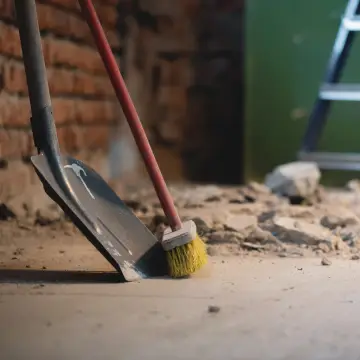
Finishing construction doesn’t necessarily mean a commercial space is ready for employees, customers, or daily operations. Dust, packaging, footprints, labels, and other remnants of construction can remain throughout the building. Preparing a facility for post-construction cleaning helps create a clear transition between active construction and the detailed cleaning needed before the space returns to normal use.
For Peoria-area businesses, that preparation starts before the cleaning crew arrives. Contractors, facility managers, and business owners should establish what work is complete, which areas are accessible, and what still needs to happen before the final cleanup begins.
One of the most useful things a facility manager can do is coordinate cleanup with the actual progress of construction.
Bringing in a cleaning crew too early can create unnecessary repeat work. If contractors are still cutting materials, sanding surfaces, moving equipment, or regularly traveling through finished areas, newly cleaned spaces may quickly collect dust and debris again.
Before post-construction cleaning begins, confirm which sections of the project are sufficiently complete for cleaning. On larger renovations, cleaning may need to follow the project in stages rather than treating the entire building as one space.
Clear coordination helps cleaning happen when it will provide the most value.
Post-construction cleaning should not begin with cleaning professionals having to navigate around piles of building materials.
Contractors should address jobsite materials and debris associated with their work according to the project’s responsibilities. This can include unused materials, packaging, equipment, and other items that prevent cleaners from accessing floors and surfaces.
Before the scheduled commercial post-construction cleaning, walk through the facility and ask:
The objective is to give the cleaning team access to the spaces included within the agreed scope of service.
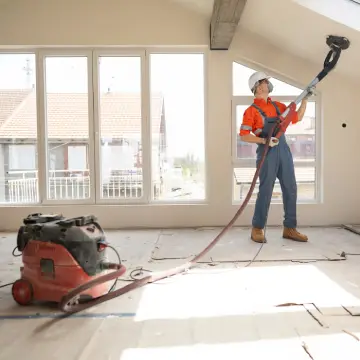
Construction dust rarely stays exactly where the work occurred.
Renovating one portion of an occupied commercial facility can affect nearby hallways, offices, entrances, and common spaces as workers and materials move through the building. Fine dust can also settle on horizontal surfaces beyond the immediate work area.
When preparing a facility for post-construction cleaning, don’t evaluate only the most visibly affected room.
Consider the routes contractors used to enter and exit the building, adjacent workspaces, shared corridors, and areas used to transport materials. Identifying these locations beforehand helps establish a more accurate picture of the cleanup needs.
A renovation may be temporary, but your regular facility needs aren’t.
This distinction is particularly important when construction occurs while a business remains operational. Restrooms, break rooms, offices, reception areas, and other occupied spaces may still require recurring cleaning while another portion of the property is being renovated.
Planning for both needs can make the transition easier.
Corporate Clean’s Commercial Cleaning services can support the ongoing needs of a business, while Building Maintenance and Floor Care can provide additional options based on the facility and established service scope.
Once construction is complete, the cleaning strategy can shift from project-related cleanup back toward normal recurring maintenance.
Floors can take considerable wear during construction.
Workers, equipment, material deliveries, and repeated trips through entrances can introduce dirt and debris into the building. Even areas outside the construction zone may experience increased traffic.
Before arranging facility cleaning after construction, identify the flooring throughout affected areas. Carpet, hard flooring, entrances, hallways, and other surfaces may have different cleaning and maintenance requirements.
This is also a useful time to think beyond the immediate cleanup. Corporate Clean’s Floor Care services can be incorporated into a broader facility maintenance strategy when appropriate, helping businesses address their flooring needs after construction and during normal operations.
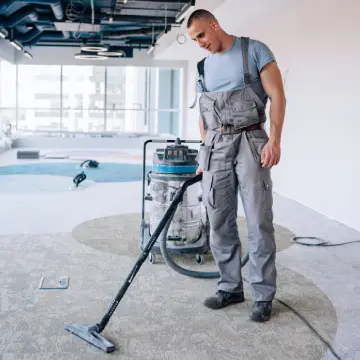
Once contractors have completed their work and cleaning has taken place, facility managers should inspect the affected spaces before fully transitioning back to normal operations.
Look at the facility from the perspective of the people who will actually use it. Check entrances, floors, workspaces, common areas, and other included spaces. If furniture or equipment was moved during construction, coordinate its return according to the project’s plan.
This final walkthrough also provides an opportunity to identify how the renovated or newly constructed space will fit into the facility’s ongoing cleaning routine.
A larger break room, additional offices, new flooring, or reconfigured common areas may change the building’s long-term cleaning needs.
Good post-construction cleaning begins with good coordination. Establishing when construction is complete, clearing work areas, identifying affected spaces, and considering ongoing maintenance can help businesses move from a project site back to an operational facility.
Corporate Clean provides professional commercial cleaning, building maintenance, and floor care for businesses throughout Peoria and nearby Central Illinois communities, including East Peoria, Dunlap, Pekin, and Bartonville.
Contact Corporate Clean at 309-693-1556 to discuss cleaning and ongoing facility maintenance needs following your commercial construction or renovation project.
Cleaning should generally be coordinated once the areas included in the cleaning scope are sufficiently complete and accessible. Starting while contractors are still generating significant dust or moving materials through the space can result in repeated cleaning.
Responsibilities should be established between the property owner, contractors, and cleaning provider before service begins. Large construction materials, contractor equipment, and jobsite debris should not automatically be assumed to fall within a commercial cleaner’s scope.
That depends on the project and facility. When businesses remain operational, managers should coordinate construction activities and cleaning so occupied areas can continue receiving appropriate recurring attention while project areas are handled separately.
It may need to. Added offices, different flooring, expanded common areas, or changes in traffic can alter a facility’s cleaning requirements. Reviewing the recurring cleaning plan after renovation helps account for the way the updated space will be used.